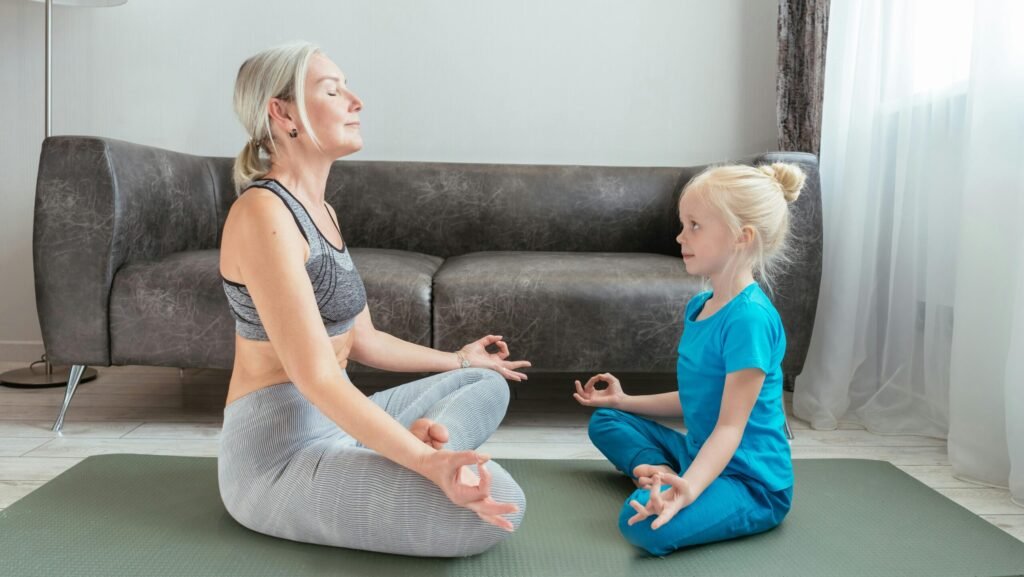
Stress doesn’t disappear as we get older. If anything, it often shows up in new forms—caring for aging parents, worrying about health, navigating financial changes, or adjusting to life after retirement. Even joyful changes, like traveling more or welcoming grandchildren, can come with hidden stress.
“It’s not stress that kills us, it is our reaction to it.” – Hans Selye
Stress Reduction Tips for Women Over 50:
Calming Practices for Everyday Life
The good news is, reducing stress doesn’t require a major lifestyle overhaul. Small daily choices can make a profound difference in how calm, steady, and clear you feel.
Here are some practical, realistic ways to reduce stress after 50—ways that feel nurturing, not overwhelming.
1. Breathe with Intention
We breathe all day without thinking, but intentional breathing activates your body’s natural relaxation response. Try this simple practice:
-
Inhale deeply through your nose for a count of 4
-
Hold for a count of 4
-
Exhale slowly through your mouth for a count of 6
-
Repeat for a few minutes whenever you feel tension rising
Breathing exercises calm your nervous system, lower blood pressure, and bring focus back to the present.
2. Move Your Body Gently Each Day
Movement releases tension and boosts mood by increasing endorphins. This doesn’t have to mean high-impact workouts. Try:
-
A morning stretch routine to loosen stiff joints
-
A short walk around your neighborhood after meals
-
Gentle yoga or tai chi for flexibility and balance
Find something that feels good in your body today, not what used to feel good 20 years ago.
3. Write It Out
Journaling helps organize swirling thoughts and reduces mental clutter. You don’t need to write pages—just spend 5 minutes noting:
-
What’s weighing on your mind today?
-
Three small things you’re grateful for
-
One thing you can do to care for yourself
Writing creates clarity, shifts perspective, and makes worries feel less heavy.
4. Create Micro-Moments of Calm
Stress relief doesn’t have to mean hour-long meditations. Look for micro-moments of calm throughout the day:
-
Sipping tea by a window without your phone
-
Lighting a candle before dinner and taking three slow breaths
-
Sitting outside for five minutes to feel the breeze and hear the birds
These moments ground you in the present, reminding your body it’s safe to relax.
5. Prioritize Sleep as Self-Care
Poor sleep increases stress hormones and makes daily life feel harder. Create a calming bedtime routine:
-
Dim lights an hour before bed
-
Avoid screens if possible, or use blue light filters
-
Do light stretching or read a comforting book
-
Keep your bedroom cool and uncluttered
Think of sleep as an investment in tomorrow’s energy and calm.
6. Get 10 Minutes of Morning Sun
Starting your day with 10 minutes of natural sunlight does more than warm your skin. Morning light helps regulate your circadian rhythm, improving sleep at night and boosting mood during the day. It increases serotonin production, which plays a key role in feeling calm, focused, and emotionally balanced.
Try stepping outside with your morning coffee or tea, or simply stand near a window where sunlight streams in. Even cloudy mornings provide enough natural light to signal your body to wake up fully and set your internal clock for the day.
7. Stay Connected
Social connection is a powerful stress reliever. Call a friend, join a local class, or simply chat with neighbors during your walks. Knowing you’re not alone in life’s challenges brings comfort and resilience.
Stress is part of life, but it doesn’t have to run your days. Small shifts—a few deep breaths, a slow walk, writing down your worries, or lighting a candle—can change how you feel in profound ways.
Most mornings, I like to make my matcha latte with oat milk and drink it while sitting by the window in the gentle morning sun. It’s my quiet time to wake up slowly, count my blessings, and give myself a little pep talk for the day ahead. Luckily, we have a gym in our building, and I try to take advantage of it. I’ll go for a 30 to 40 minute walk on the treadmill four to five times a week and do 10 to 15 minutes of light strength training two to three times a week. If I check these two things off my list first thing in the morning, I feel like I’ve achieved something—even if the rest of my day doesn’t feel particularly productive.
Some weeks, when my anxiety kicks in, it’s hard to follow any routine, even though I know routine is one of the best ways to keep anxiety under control. It’s a work in progress. But these small morning habits anchor me, reminding me that no matter how the day unfolds, I’ve taken care of myself in some way.
What helps you reduce stress these days? Share your tips in the comments below. Your wisdom might be just what another woman needs to read today.
Go calmly, and remember: you deserve peace in your life, every single day.
– Kate
Real life, real experiences. Share your wisdom, your wins, or even the mess — because life after 50 is worth talking about.