Hair Thinning and Feeling Unseen:
The Emotional Weight Women Carry Quietly
Some changes happen so slowly, we don’t even notice them—until one day, we do.
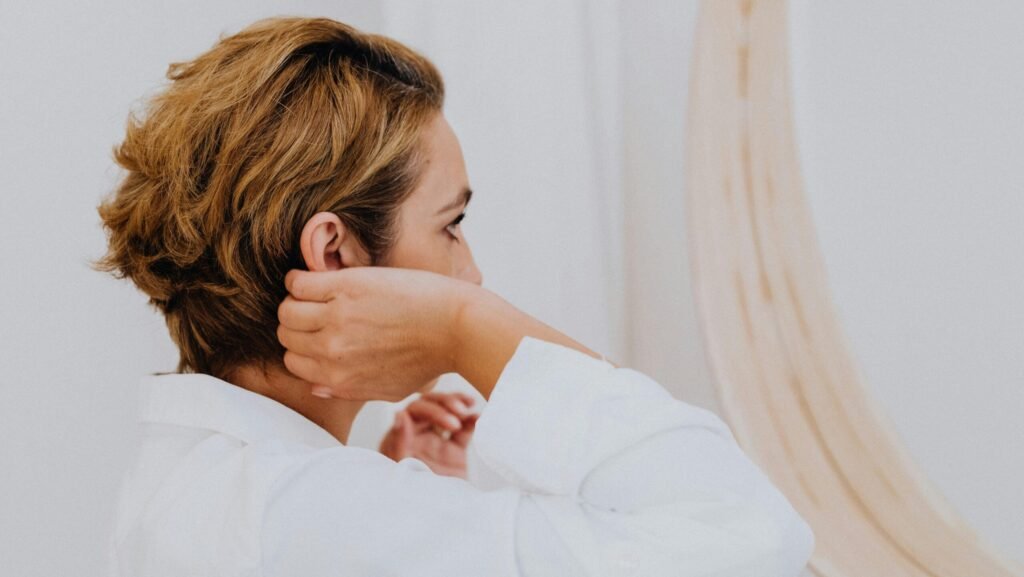
A wider part. A little more scalp peeking through when the sun hits just right. Hair that once felt thick now lies flat, lifeless. It’s not dramatic. It’s quiet. But it’s there.
And for many of us, it’s deeply personal.
The Quiet Shift We Don’t See Coming
We may not talk about it with friends. We may brush it off—”Oh, it’s just age”—and keep going. But somewhere underneath, we feel it. That small ache when we see an old photo. The hesitation to try a new hairstyle. The discomfort of being seen when we don’t feel like ourselves.
Hair thinning isn’t just about hair. It’s about who we think we are when it starts to disappear.
The Feeling of Becoming Less Visible
One of the most common things I hear from women over 50 is this: “I feel invisible.”
Not just in crowded rooms or at the store—but in their own lives.
When your outer reflection no longer matches how you feel inside, it can stir up something tender. Hair has long been tied to identity, femininity, even power. So when it begins to thin, it’s more than cosmetic—it can feel like a quiet unraveling of how we’ve seen ourselves for decades.
And suddenly, the question becomes: Do others still see me the same way? Do I?
Confidence, Interrupted
There’s a certain kind of confidence that comes from not having to think about how you look. From trusting that your hair, your skin, your style—they’ll just do their thing while you get on with living.
But thinning hair has a way of pulling focus. It invites second-guessing. You find yourself adjusting lighting for Zoom calls, changing your part a hundred times, or skipping photos altogether.
It doesn’t mean vanity. It means being human. It means trying to reclaim comfort in your own skin again—even when it feels unfamiliar.
Romance and Vulnerability
Let’s talk about intimacy for a moment.
When your hair changes, it’s not just your mirror that notices. It can affect how you show up in a relationship—or how you feel about the idea of starting one. You might worry about being touched, about how someone sees you up close. The idea of being seen—really seen—can start to feel daunting instead of beautiful.
There’s a grief in that. And there’s a deep longing too—for tenderness, for reassurance, for someone to say, “I still see you. You’re still beautiful.”
But maybe the first person who needs to say that… is you.
Grieving What Was
This part is real, and we don’t say it out loud enough: it’s okay to grieve.
To grieve the thick ponytail you once had. The freedom of wind-blown hair without worry. The feeling of brushing your fingers through it and liking what you felt.
It’s okay to miss her—that younger version of you. But it’s also okay to look in the mirror and say, “This version of me is worth showing up for too.”
Because she is.
You’re Not Alone
If you’re going through this right now, please hear this:
You are not shallow. You are not being dramatic. You are not alone.
You’re someone who’s lived a whole life in this body, with this hair, with this face—and changes like this can bring up more than you expect. That doesn’t make you weak. It makes you honest.
And if no one else has told you lately: you are still worthy of feeling beautiful. Still allowed to mourn. Still deserving of love, admiration, and being seen.
In a follow-up post, we’ll talk about what you can do—what actually helps (and what’s just hype). Not because you have to fix anything. But because you deserve options that meet you where you are—with compassion, clarity, and care.
But today? Just breathe. Let yourself feel what you feel. And know this:
You are still you.
And you are still beautiful.
– Kate
Real life, real experiences. Share your wisdom, your wins, or even the mess — because life after 50 is worth talking about.