Nocturia Is Waking You Up—But Sleep Loss Is What’s Wearing You Down
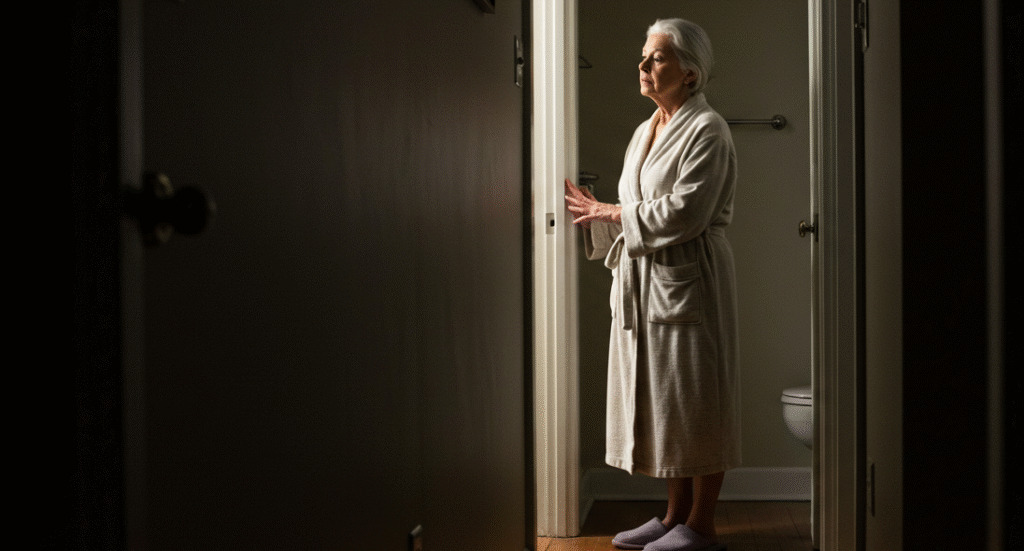
Most women over 50 don’t talk about it—but it’s common: you go to bed feeling fine, only to be woken up once… then again… maybe even three times during the night to use the bathroom.
At first, it seems harmless. Just a little inconvenience. But over time, it starts to wear you down.
You feel tired in the morning. Foggy by noon. Maybe you start forgetting things, snapping at loved ones, or nodding off in the middle of a good book.
“Sleep is the golden chain that ties health and our bodies together.” – Thomas Dekker
If this sounds familiar, it’s time to talk about nocturia—and the sleep deprivation that often comes with it.
What Is Nocturia? And Why It’s More Than Just a Bladder Issue
Nocturia is the medical term for waking up one or more times during the night to urinate. For many women over 50, it becomes more frequent with age—especially during and after menopause.
But here’s what often gets missed: it’s not just about needing to pee. It’s about waking up, turning on the light, walking to the bathroom, and trying—sometimes failing—to fall back asleep. These interruptions may seem small, but they add up to major sleep loss over time.
And even if you think you’re “getting enough sleep” by being in bed for 7–8 hours, those interruptions break up the restorative deep sleep your brain and body need to function properly.
How Sleep Deprivation Sneaks In
Our bodies cycle through different sleep stages each night—light sleep, deep sleep, and REM. These stages are not just for dreaming—they regulate memory, hormones, immune function, even mood.
Every time you wake up to go to the bathroom, you’re pulled out of that natural rhythm. And studies show that even brief awakenings (less than 5 minutes) can lead to:
Daytime sleepiness
Brain fog
Mood changes and irritability
Slower reaction times (a safety issue)
Increased risk of falls, especially at night【1】
Worse, if you’re over 60, your ability to get back into deep sleep is reduced—which means each interruption does more damage.
Why Nocturia Gets Worse After Menopause
Hormones play a major role in both bladder control and sleep.
After menopause, levels of estrogen and progesterone drop. These hormones help keep bladder tissues healthy and support the muscles that control urination. At the same time, declining melatonin can reduce sleep quality.
Add in age-related changes like:
Smaller bladder capacity
Increased urine production at night (called nocturnal polyuria)
Sleep-disrupting conditions like hot flashes or restless legs
And it’s easy to see how nocturia becomes a nightly visitor.
The Hidden Toll: What Chronic Sleep Loss Can Do
Nocturia might start as a nuisance, but if it’s robbing you of sleep night after night, the consequences are real:
Weakened immunity—your body repairs itself during deep sleep
Increased inflammation—linked to arthritis, heart disease, and cognitive decline
Impaired blood sugar control—which can worsen or trigger type 2 diabetes【2】
Mood swings and depression—especially if you’re already navigating life transitions or caregiving
Higher dementia risk—fragmented sleep has been linked to cognitive decline in older women【3】
This is not meant to scare you—it’s to remind you that your sleep matters. You’re not just getting older. You’re getting worn out.
What You Can Do: Real Strategies That Help
There’s no one-size-fits-all fix—but many women find relief by making small changes. Here’s a checklist to try:
✅ Rethink Fluid Timing
Stop drinking fluids 2–3 hours before bed
Avoid alcohol, caffeine, and carbonated drinks in the evening
Sip during the day to stay hydrated—don’t “save it all” for nighttime
✅ Double Void Before Bed
Use the bathroom twice, about 10–15 minutes apart, before going to sleep. This helps fully empty the bladder.
✅ Elevate Your Legs in the Evening
If you have swelling in your legs during the day (a sign of fluid retention), try propping your legs up for 30–60 minutes before bed. This can help move fluid out earlier so you pee less overnight.
✅ Strengthen Your Pelvic Floor
Pelvic floor therapy isn’t just for younger women. Kegel exercises can improve bladder control and reduce urgency.
✅ Limit Sleep Disruptors
Keep your bedroom cool, dark, and quiet
Turn off screens an hour before bed
If hot flashes wake you, talk to your doctor about managing them
✅ Track Your Symptoms
A bladder and sleep diary (just a notebook) can help you see patterns and prepare for your next doctor visit.
When to Talk to Your Doctor
Don’t wait until you’re desperate. Reach out if:
You’re waking more than twice a night, most nights
You can’t fall back asleep
You’re feeling drained during the day or napping frequently
You’re noticing other symptoms like urgency, discomfort, or leaking
Sometimes nocturia is a sign of something else—like sleep apnea, undiagnosed diabetes, or a medication side effect. Your doctor can help rule out other causes and explore options like timed diuretics, hormone therapy, or bladder medications.
You’re not imagining it. Nocturia may seem like a minor annoyance, but if it’s stealing your sleep, it’s stealing your quality of life.
Getting older doesn’t mean settling for exhaustion. It means knowing when to listen to your body—and when to speak up.
I don’t remember exactly when it started. At first, I was waking up two or three times a night to use the bathroom. I felt the urge—but most of the time, the volume wasn’t there. Then slowly, the frequency increased. Five times. Six. Some nights, over ten. It was excruciating. And it wasn’t just about sleep—I noticed it was affecting my mood and mental health, too.
Now, most nights I wake up fewer than three times. That’s a big improvement. I followed many of the tips I shared here. I kept track of what worked, and I paid attention to what didn’t. I kept a notebook of what I ate and how it might affect my symptoms. It’s not scientific, but I found that dairy, garlic, and onions seemed to increase the frequency for me—so I cut back.
I’m still on the journey to getting better. But I want to say this:
If you’re going through this too, I see you. I pray for you. Nocturia can be devastating—but you’re not alone.
– Julie W.
【1】Kobayashi, D., et al. (2012). Nocturia and the risk of falls in the elderly. Journal of Urology.
【2】Yaffe, K., et al. (2011). Sleep-disordered breathing and risk of mild cognitive impairment and dementia. JAMA.
【3】Middleton, L., et al. (2008). Sleep disturbance and incident dementia. Neuroepidemiology.